
Kerala Name Change to Keralam – History, Reasons, Political Debate and Latest Updates

Kerala Name Change: The proposal to officially change the name of the Indian state “Kerala” to “Keralam” has sparked discussions across political, cultural and public platforms. While the change may appear small, the issue carries historical, linguistic and constitutional significance.
This article explains the background, reasons behind the proposal, legal procedure, public reaction and what it means for the future of the state.
What Is the Proposed Name Change?
The Government of Kerala passed a resolution requesting the Union Government of India to officially change the English name of the state from “Kerala” to “Keralam”.
“Keralam” is the name used in the Malayalam language. The proposal aims to align the English name with its native linguistic identity.
Historical Background
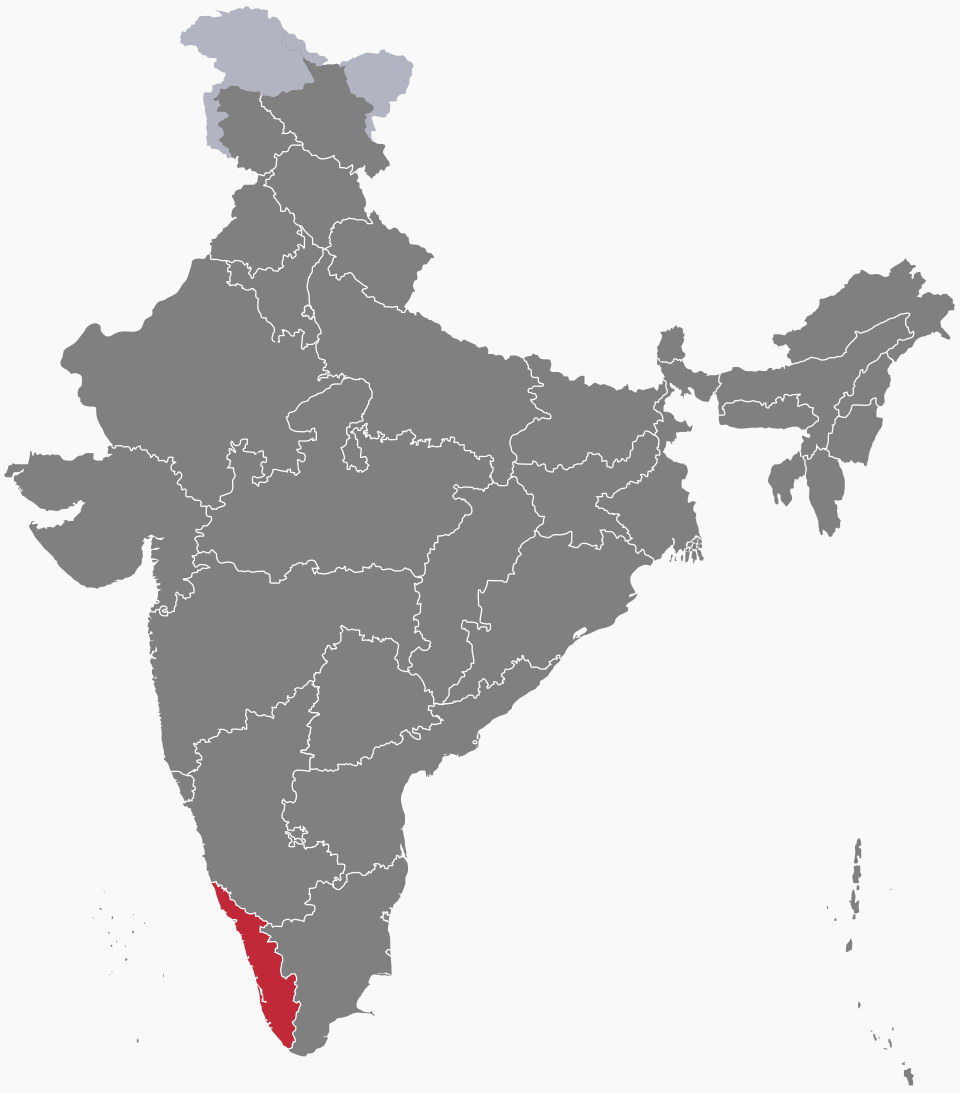
Kerala was formed on 1 November 1956 under the States Reorganisation Act. The state was created by merging Malayalam-speaking regions of the former states of Travancore, Cochin and Malabar.
The name “Kerala” has been in official use since formation. However, in Malayalam, the state has always been referred to as “Keralam”.
The difference is linguistic rather than structural.
Why Change from Kerala to Keralam?
1. Linguistic Authenticity
Supporters argue that “Keralam” reflects the pronunciation and traditional usage in Malayalam.
2. Cultural Identity
Many believe that restoring the native form strengthens regional identity.
3. Uniformity in Language
The proposal aims to ensure that the name remains consistent across languages.
Constitutional Process for Name Change
Changing the name of a state in India requires constitutional procedure under Article 3 of the Constitution of India.
Steps include:
- State Assembly passes resolution
- Proposal sent to Union Government
- Central Government drafts bill
- Bill introduced in Parliament
- Parliamentary approval required
- President’s assent
Only after Parliamentary approval does the name officially change.
Political Developments
The Kerala Legislative Assembly passed a unanimous resolution supporting the change.
Political parties across ideological lines largely backed the proposal, presenting it as a cultural matter rather than a political one.
Public Reaction
Public response has been mixed but mostly neutral.
- Supporters see it as symbolic correction
- Critics argue it may not change governance priorities
- Some question administrative costs
For everyday citizens, practical impact would be minimal.
Impact on Documents and Administration
If approved, updates may be required in:
- Official records
- Government websites
- State emblems
- Maps
- Central records
Comparison with Other Name Changes in India
- Bombay → Mumbai
- Madras → Chennai
- Calcutta → Kolkata
- Orissa → Odisha
These changes were made to reflect local pronunciation and identity.
Economic or Legal Implications
The change is largely symbolic.
There are no expected tax, policy or administrative shifts.
Legal documents referencing “Kerala” would remain valid unless specifically amended.
Timeline of Events
- State resolution passed
- Proposal forwarded to Centre
- Awaiting Parliamentary process
As of now, final approval from Parliament is pending.
What Happens Next?
If Parliament approves, official gazette notification will confirm the name change.
Until then, “Kerala” remains the official name.
Also Read: Government Offering ₹15,000? Full Details of PM Viksit Bharat Rozgar Yojana 2026
Frequently Asked Questions (FAQ)
1. Has Kerala officially changed its name to Keralam?
No. It requires Parliamentary approval.
2. Why is the change proposed?
To align the English name with Malayalam pronunciation.
3. Will it affect passports or Aadhaar?
No immediate impact expected.
4. Does Constitution allow name change?
Yes, under Article 3 of the Indian Constitution.
5. Is this political move?
It is largely presented as cultural and linguistic alignment.
6. Will state boundaries change?
No. Only name change proposed.
7. Has any other state changed name?
Yes. Several states have undergone renaming.
8. When will final decision come?
After Parliamentary approval process is completed.
You must be logged in to post a comment.